
I Built the Lead Magnet, Now What?
Over the past couple of posts I talked about working on your business instead of constantly working in it. I also shared five things I regularly check when I slow down long enough to actually look at the business side of things. Those posts came from a real moment where I stepped back and started evaluating what I was doing and what I was not doing.
This next step is a little more honest.
Because if I am being completely transparent, I realized something while writing those articles.
I had built the lead magnet.
But I had not really started driving traffic to it.
That is a pretty common problem for a lot of entrepreneurs and creators. We build something useful, we feel good about the work we put into it, and then we quietly assume people will somehow discover it. Maybe we send a couple of emails. Maybe we mention it once on social media. Then when the results are not what we expected we wonder what went wrong.
In most cases nothing is wrong with the lead magnet itself.
The problem is distribution.
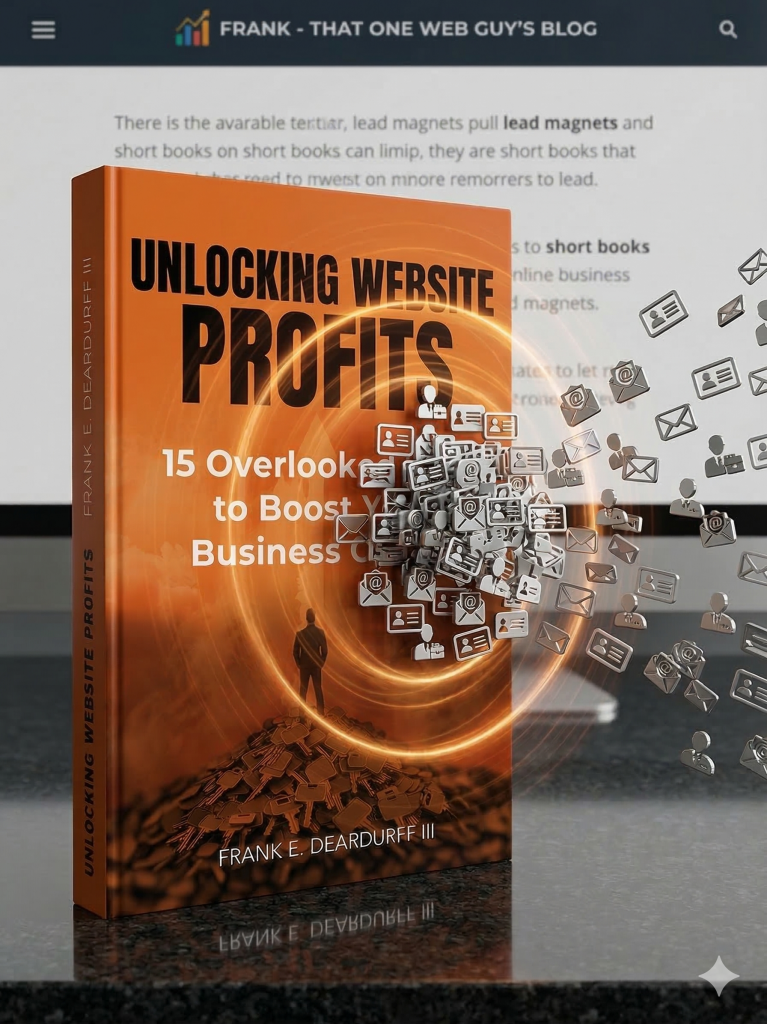
A while back I made the decision to change my lead magnet strategy. Instead of offering a simple checklist as an opt in, I started creating a short digital book. The idea was simple. A checklist can be useful, but a short book allows you to actually teach something. It gives people more value, builds more trust, and positions you as someone who understands the topic.
That shift made a lot of sense on paper.
The problem is that creating the lead magnet is only the first step in the process. Building it feels like progress, and in many ways it is. But the real work begins after it is finished.
That is where I am right now.
The book is done. The landing page is in place. The opt in works the way it should. If someone shows up, they can download the book without any problems.
The question is simple.
How do I get people to show up?
For years I have helped people create book covers, design interiors for books, and build author websites that connect everything together. I have worked with a lot of authors who were excited about finishing their book. The moment the book was done they felt like the hardest part was behind them.
In reality the opposite is true.
Finishing the book is a milestone. But once the book exists, the next challenge is helping people discover it.
Lead magnets work the same way.
Creating the free book was a good move, but the truth is I had not yet put real energy into promoting it. A few emails went out. I mentioned it here and there. Beyond that, the strategy was mostly sitting on the sidelines waiting for attention.
That is not how traffic works.
Traffic is something you create intentionally.
So the next phase for me is simple. I am starting to test a few ways to drive people to the lead magnet and see what actually works.
One of the first things I started experimenting with is Instagram. I created a carousel post built around the idea of small business owners and online creators missing simple opportunities on their websites. The goal was not just to share information but to spark curiosity about the free book that goes deeper into the topic.
Instead of simply posting the carousel and hoping for the best, I decided to run a small boost behind it. Nothing huge. Just enough to put the content in front of people who might actually find it helpful.
That led to an interesting discovery.
If you boost posts directly from your phone inside the Instagram app and you are using an Apple device, Apple adds its own fee to the transaction. It is basically a convenience tax for using their payment system. When you run the exact same promotion from your desktop instead of your phone, that fee disappears.
It may seem like a small detail, but little things like that add up over time. If you plan to run ads or boosts regularly, it makes sense to keep more of your budget working for you instead of handing a percentage of it to a payment processor.
Another piece I have started is a ManyChat campaign connected to Instagram. The idea here is simple. When someone interacts with the post or requests more information, the system can automatically send a message that directs them toward the lead magnet. It is a simple way to bridge the gap between curiosity and action.
I have just started that mechanism, so I’ve not had any results just yet as of writing this. It may fail; I may need to redesign the carousel. Or maybe just change the message. That’s all part of the testing.
This is one of those moments where working on the business becomes very real. Building funnels and creating lead magnets can feel exciting. Testing traffic sources, adjusting campaigns, and watching the numbers takes a little more patience.
But this is the part that matters.
One thing I have learned over the years is that many online strategies fail not because they are bad ideas but because they never reach the testing stage. People create the offer, post it once or twice, and then quietly move on to the next project.
I have done that more times than I would like to admit.
This time I want to approach it differently.
Instead of constantly building something new, I am focusing on pushing the existing idea forward. The lead magnet exists. The landing page exists. Now the goal is to consistently put that offer in front of the right audience and learn from the response.
That might involve boosted posts, carousel content, email mentions, and possibly even some targeted ads down the road. Each step will teach me something about what resonates with the audience and what does not.
There is also another interesting side benefit to this process.
Because the lead magnet is a short book instead of a checklist, it naturally opens the door to deeper conversations. When someone downloads it they are not just glancing at a list of tips. They are stepping into a small piece of teaching that explains ideas in more detail. That creates a stronger connection and positions the next step in the journey more clearly.
For someone like me who spends a lot of time working with authors, designing covers, building book interiors, and helping people connect their books to websites, this approach feels very natural. A book is not just a product. It is also a powerful way to start conversations with readers and potential clients.
That is why I am excited about the direction this is going.
Right now the focus is simple. Turn the lead magnet from something that exists into something people actually discover. That means testing traffic, learning what works, and refining the message along the way.
If you are building something similar in your own business, this might be the stage you are in as well. Maybe you created a free guide, a checklist, or even a short book. Maybe the landing page is ready and the opt in works perfectly.
The next question is the same one I am asking myself.
How are people going to find it?
Over the next few weeks I plan to keep experimenting with traffic and promotion while sharing what I learn along the way. Some ideas will work better than others, and that is part of the process.
For now the important thing is simple.
The lead magnet is built.
Now the real work begins.
